EU Brazilian Beef & Poultry Ban Will Proceed on Sept 3rd

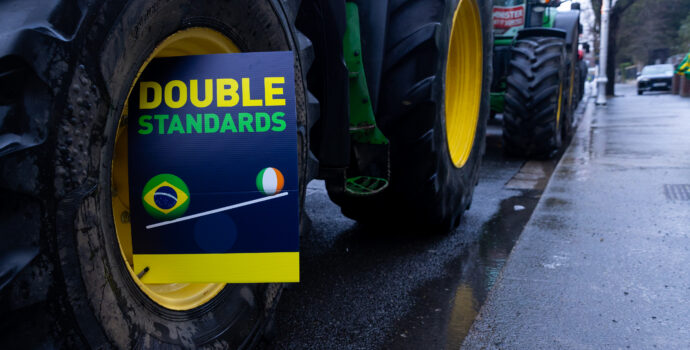
IFA President Francie Gorman said the EU ban on Brazilian beef and poultry imports will proceed next week, taking effect on Thurs, September 3rd.
This ban follows the investigation in Brazil by IFA and the Farmers Journal last year where they highlighted the complete lack of controls on the sale of antibiotics, which flies in the face of the EU strategy on antimicrobial resistance (AMR).
This was followed by a major lobby campaign led by IFA’s permanent office in Brussels.
He said this is an important milestone in upholding standards in the EU and the first time the Commission took the issue of AMR and antibiotic usage in trade access into account.
IFA and the Farmers Journal highlighted the level of unregulated antibiotic use in Brazil’s farming systems last October, traversing 3,000km across four states and finding completely unregulated access to and usage of antibiotics including Highest Priority Critically Important Antibiotics. There was no evidence of any infrastructure or willingness to apply even the most basic controls on usage in food-producing animals.
“IFA Senior Policy Executive Tomás Bourke, the Editor of the Farmers Journal Adam Woods and IFJ Picture Editor Phillip Doyle deserve credit for going to Brazil and undertaking the investigation. Our Brussels office headed by Liam MacHale and including our EU Policy Executive Noel Banville then took the findings to all the key stakeholders in Brussels to highlight what was found,” he said.
IFA will continue to engage with the Commission to build on this announcement. “If meat from Brazil is to meet the standards for antibiotic usage, there will have to be fundamental changes to their production systems and infrastructure to support this.”
He said the ban on Brazilian beef entering the EU will provide real opportunities for Irish beef over the coming months to fill the gap. Factories must take full advantage and move to ensure this is returned in higher beef prices as we face into the back end of the year, and over the next two to three years.