High Court Judgment on Commercial Rates on Farm Buildings a Real Concern for Farmers
IFA President Francie Gorman has written to the Minister for Agriculture seeking a meeting to discuss the implications of a recent High Court judgment on Commercial Rates on farm buildings.
While under appeal, the judgment in a case involving Castlecor Potatoes raises questions about the effectiveness of the current legislation designed to exempt farm buildings from commercial rates.
The interpretation of the current exemption by the High Court could have far-reaching implications for agriculture.
“IFA has been actively engaged on this issue and has previously raised concerns at Ministerial level about the potential consequences for farmers of any farm buildings becoming liable for Commercial Rates,” outlined Francie Gorman.
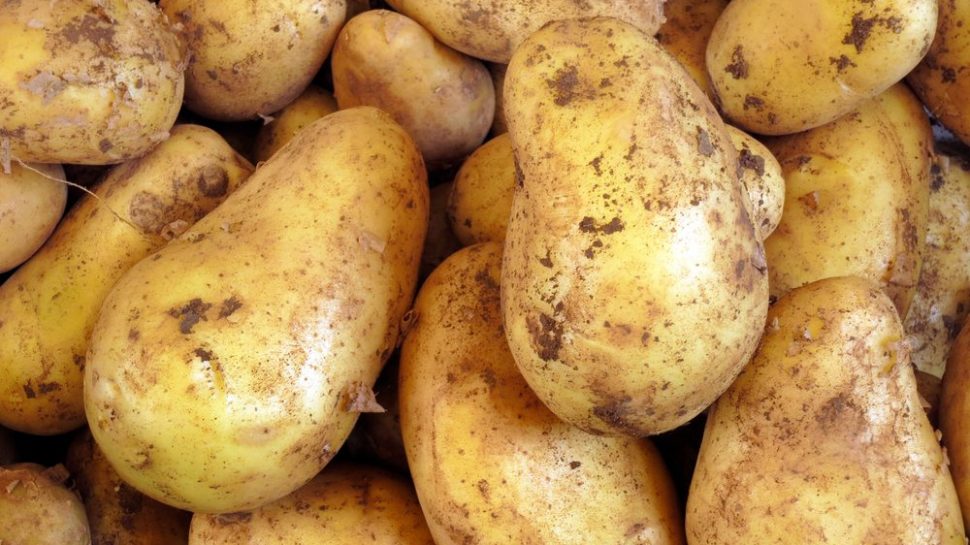
The High Court judgment found that farm buildings used to store potatoes and onions by Castlecor Potatoes, pending sale, should be liable for payment of Commercial Rates.
The Court appeared to conclude that farming activity had ‘ceased’ once crops were taken out of the ground and that temperature-controlled storage needed to preserve crops pending sale amounted to ‘processing’.
The judgment also cited that the growing of crops on land rented and farmed by Castlecor in outside holdings as a reason why the buildings should be ineligible for a rates exemption.
“The Castlecor case highlights a serious gap between the existing legislation as interpreted by the High Court and the practical realities of modern farming, creating uncertainty for agricultural businesses and the buildings they depend on.”
“This is not an isolated issue for one farm or one sector; it raises fundamental questions about the protection afforded to farm buildings under current legislation,” he said.
“Given this judgment, the wording of the exemption may need to be revisited to ensure that it is achieving its purposes. Technology on farms is advancing and land rental is more common. The wording needs to be tidied up to avoid ambiguity,” he said.