IFA Meet DG Sante on Brazilian Ban
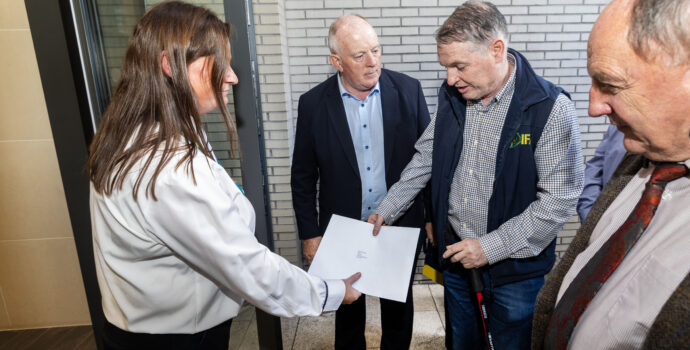
IFA Livestock Chair Declan Hanrahan led an IFA delegation yesterday to a meeting with DG SANTE officials Eva Maria Zamora Escribano, Head of Unit for Veterinary Medicines, and Rainer Becker, Director of Medical Products and Innovation, to discuss the Commission’s proposed ban on animal products from Brazil starting on September 3rd.
“Our message was clear: unless Brazil can demonstrate that they meet the requirements for antibiotic usage and the AMR objectives of the EU, they should not be allowed export animal products to the EU,” he said.
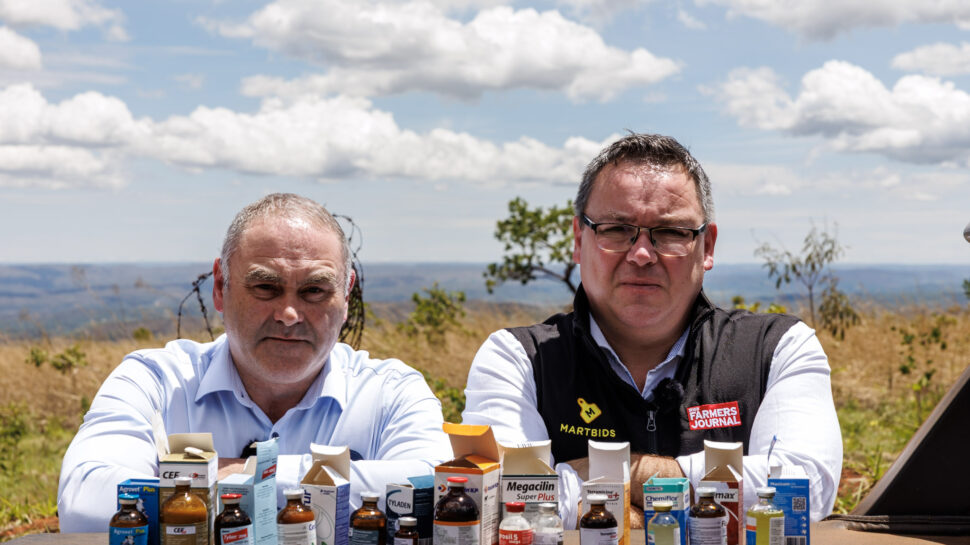
IFA and the IFJ highlighted the level of unregulated antibiotic use in Brazil’s farming systems last October, traversing 3,000km across four states and finding completely unregulated access to and usage of antibiotics including Highest Priority Critically Important Antibiotics. There was no evidence of any infrastructure or willingness to apply even the most basic controls on usage in food-producing animals.
Declan Hanrahan said it is encouraging to see the Commission finally taking the issue of antimicrobial resistance (AMR) more seriously in countries supplying food products to EU citizens, given the lack of attention paid to this key area in the negotiation of the Mercosur trade deal.
“It is concerning, however, that the Commission may grant authorisation for certain farms to export beef to Europe at some point in the future if individual production units can meet animal traceability requirements and self-certified antibiotic usage. AMR is not an area you can be selective about addressing,” he said.
“What’s essential are a comprehensive whole-of-sector animal traceability and medical treatment controls in a territory. AMR does not recognise farm boundaries or international boundaries.”
Declan Hanrahan said “This meeting was part of our ongoing engagement with the European Commission on the issues stemming from the Mercosur trade deal and the blatant absence of a level playing field in terms of animal traceability and production standards between Brazil and Europe”.
The only verifiable way to examine if a system is working is to audit it thoroughly and regularly, right down to actual farm level including all service providers, similar to the stringent standards that apply here.
“The Commission assured us they plan to audit Brazil again in 2027. Assurances have also been made about a 50% increase in 3rd country audits by the Commission. IFA expects to see the evidence of this marked increase in checks and meaningful actions enforced, based on the findings.”
IFA will continue to engage with the Commission on this matter to ensure there will not be a selective policy which fails to address the issue of AMR or fails to provide a level playing field for Irish farmers.
The EU must stand firm on its principles to protect Irish and European citizens and farmers and follow through with the proposed ban on September 3rd of imports that do not meet AMR standards.