IFA Meet TII on Greenways
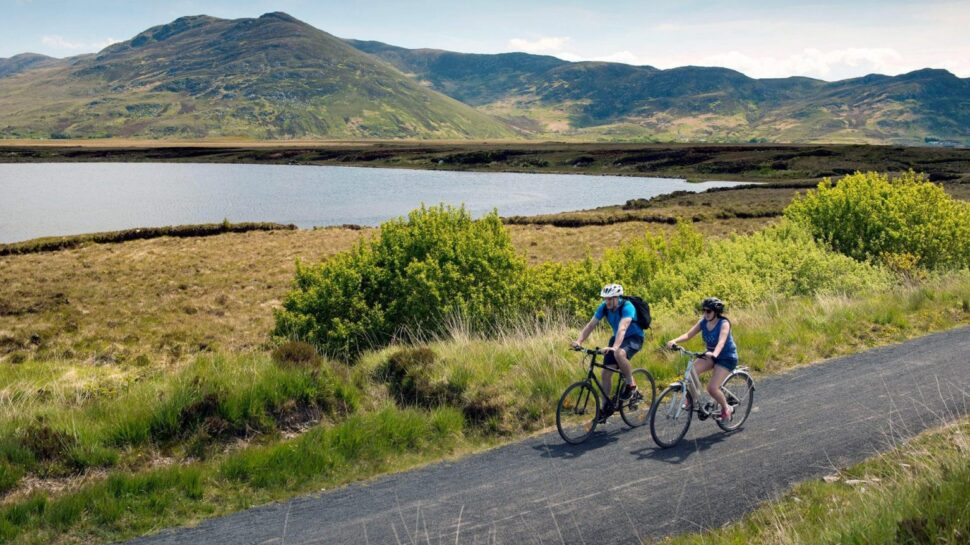
IFA Infrastructure Project Team Chair Paul O’Brien met with representatives of Transport Infrastructure Ireland (TII), the Department of Transport and local authorities recently on Greenways and outlined the IFA’s views and concerns regarding the broader development of Greenways across rural Ireland an
d the serious implications these projects have for farm families, rural communities, and the agricultural sector.
IFA reiterated its strong objection to the use of Compulsory Purchase Orders (CPOs) for Greenways.
Greenways are amenity projects, not essential public infrastructure such as national roads or power lines. In recognition of this, the IFA engaged with TII and local authority representatives to negotiate a Code of Practice for Greenways, which would avoid the use of CPOs.
The IFA has held the consistent view that Greenways should, wherever possible, be developed on public lands and not on privately-owned farmland. This principle is fully aligned with the Government’s Strategy for the Future Development of National and Regional Greenways (2018), which states that: “The preferred model for future Greenways is to use lands already in the undisputed ownership or control of the State, either through Government Agencies, Government Departments or Local Authorities.”
Paul O’Brien told the TII meeting that many of the proposed Greenway routes, if implemented as planned, would sever and divide active farms. This is unacceptable. The severance of farmland cannot be justified for recreational projects and must be avoided in all cases.
The IFA Infrastructure PT Chair said Greenways can only succeed where there is genuine community support. “Successful Greenway development requires trust, transparency, and voluntary agreement. The imposition of routes across farmland without consent damages that trust and erodes community cohesion,” he said.
Across the country, many IFA members have reported a lack of meaningful and practical consultation and engagement on Greenway projects.
“Unfortunately, some local authorities are refusing to follow the agreed Code of Practice, which is causing huge problems,” he said.
“In many cases, farmers have had no direct contact from project promoters until the project is gone too far and at the preferred route corridor stage. Prior to this stage, farmers feel the consultation is a box ticking exercise and a lot of the work on the route is a desk top exercise. Most local authorities have declined to attend IFA-organised meetings with affected landowners. This approach is unacceptable,” he concluded.