Use of CPOs for Greenways is a No Go – IFA
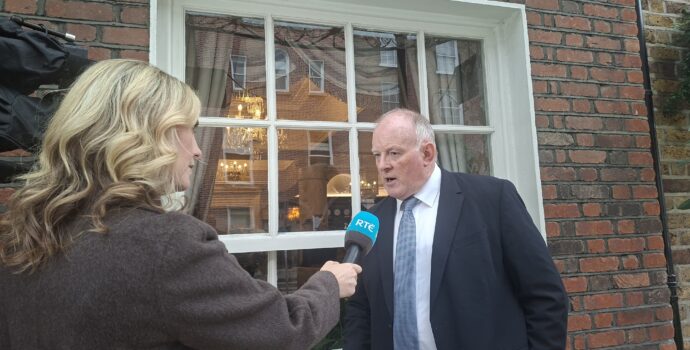
Addressing the Oireachtas Joint Committee on Agriculture and Food on the Impact of Greenways, Railways and Roadways on Agriculture (Compulsory Purchase Order of Lands), IFA Infrastructure Project Team Chair Paul O’Brien said the use of CPOs for Greenway development disregards farm families’ livelihoods.
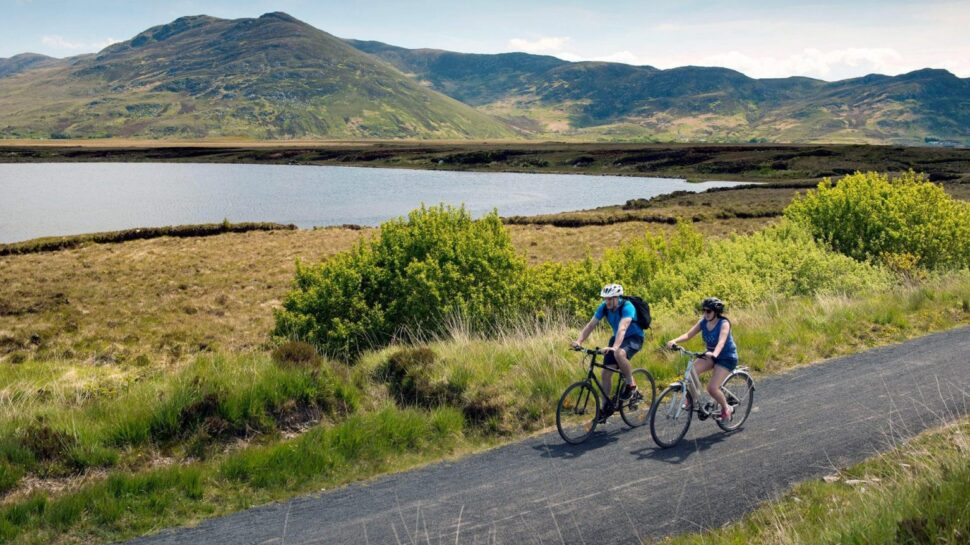
Paul O’Brien said farmers are not opposed to Greenways. IFA supports rural development, tourism, and community recreation when they co-exist fairly with farm livelihoods.
“What we oppose is any compulsory acquisition and any approach that disregards the rights of the people who live and work on the land,” Paul O’Brien said.
The right of local authorities to use CPOs is based on legislation that has been tested in the courts. In this context, the IFA negotiated a Code of Practice for Greenways to put some protections in place for landowners.
The Code of Practice for Greenways provides a clear framework for voluntary land acquisition. “If the Code is followed, projects should only proceed on the basis of mutual agreement, respect for landowners, and community consent. However, it is not being followed in all cases,” he said.
“While the authorities do have legal powers to use CPOs for infrastructure, the application of those powers to Greenways is fundamentally inappropriate.”
“The Code itself is not the issue. The issue lies in the underlying legislation that allows CPOs to be used in this context. Only the Oireachtas can address this with a change in legislation,” he said.
“A voluntary, co-operative approach must remain the standard for all future Greenway developments rather than using compulsory purchase,” he said.
“Too often, farmers are only contacted when routes are already planned, with consultation seen as a box-ticking exercise based on desktop planning. In many cases, early engagement with affected landowners has not taken place. This approach is unacceptable and it is not consistent with the Code,” he said.
“Early, open, and respectful engagement must be the foundation of all Greenway planning if projects are to secure co-operation and public confidence,” he added.
There are also wider concerns raised by farmers involved in Greenway projects, including loss of privacy; security issues; anti-social behaviour; rural crime; littering; dog control; and animal disease risks. These are legitimate issues that must be properly addressed in any Greenway development process.
“Future policy must be clearly based on voluntary agreement, delivered primarily on public lands, and underpinned by meaningful consultation from the outset. The rights, livelihoods, safety, and wellbeing of farm families must be fully protected throughout the process,” Paul O’Brien concluded.
Read IFA’s submission in full Here.