Horticulture Council Report July 2025
Market Report
The Irish horticulture sector in 2025 has continued to struggle with input cost inflation which has not been covered by market response. Some price increases have been achieved but on balance they fall significantly short of inflationary pressure. According to Teagasc’s Input Cost Analysis overall input costs in horticulture have increased by 51% since 2021, driven largely by sustained labour cost growth, energy price volatility, and rising costs for, seed, substrate, packaging, and land rental. Labour now accounts for over 42% of total input costs across most crop types.
On a positive note, weather conditions for plantings for outdoor crops have been good this season. Hot weather conditions have led to challenges in terms of irrigation, but overall agronomic conditions have been favourable. Light levels for protected crops have been adequate since March.
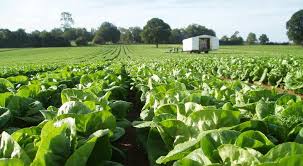
Retail sales and consumption trends have been very sensitive to weather conditions this year. Higher temperatures experienced in the spring time led to a decrease in sales of vegetables such as cabbage, mushrooms and potatoes which have remained subdued. On the other hand, sales of salads and berries have been strong.
The mushroom sector, which is a key export-oriented industry in Irish horticulture, has experienced the most severe cost escalation, with a total increase of 58.6% in input costs since 2021, including a 7.7% rise in the past year alone. This inflation has been driven largely by higher substrate costs (up 8.9% year-on-year) and energy, while labour remains the single largest cost component at 44.1% of total inputs. The sector had to import straw three out of the last six years which directly impacted the cost of compost. Although mushroom production is less exposed to outdoor weather conditions, it has not been immune to market and cost pressures. Early 2025 saw a dip in UK-bound sales volumes, adding further stress to margins already compressed by the cost base.
Staffing
The cost and availability of staff is a major concern for growers this season. The sector has been hit hard by acute staff shortages, driven by Ireland’s low unemployment rate and a lack of a structured and permanent work permit scheme. This reliance on non-European labour is further strained by rising wage demands, including the sharp 2024 increase in the Minimum Annual Remuneration (MAR) for General Employment Permits. The roadmap for the General Employment Permit (GEP) must not increase any further.
A pilot of the seasonal work permit scheme has been opened for a limited number of growers in 2025. IFA continues to engage with the Department of Enterprise to make this scheme fit for purpose for industry. A committee was establishing for the duration of the Seasonal Employment Permit pilot. IFA continues to engage with this group.
Food Regulator
IFA continues to engage with the office of the Food Regulator and further meetings with the CEO are arranged. The office will play a very important role in bringing fairness back into our food supply chain and level the playing pitch in negotiations between farmers, processors and retailers. IFA continues to lobby for a Statutory Instrument to give the office additional powers to compel actors in the food chain to provide information to the office of the regulator upon request.
Activity since last National Council
- IFA continues to represent growers on the issue of work permits and soaring staff costs. The GEP roadmap must not increase any further.
- IFA representatives attended the Crop Open Day in Teagasc last month and met with Minister Healy-Rae at the event.
- IFA Fruit and Vegetable Committee met online on June 5th. The main agenda items included; work permits, SHAS Audits, Food Regulator and 2025 markets.
- IFA representatives attend the Agri Food Regulator Conference on May 20th on Johnstown Estate.
- An organic project team meeting took place in the Urban co-op in Limerick on May 14th followed by a visit to Pat O’Sullivan’s Farm and a presentation from Teagasc on the Bio District Project.
- IFA attended a number of the Horticulture Industry Forum sub-group meetings.
- IFA continues to work with Bord Bia to deliver the ‘Life is Better with Fruit and Vegetables’ promotion. The promotion is 80% funded from the EU with the balance supported by growers. More info on https://fruitnveg.ie/
- IFA continues to liaise with all retails and packers on how the season is unfolding, the weather conditions, staffing costs and all other issues.
- The IHNSA Annual General Meeting was held on the 28th of November.
- IFA continues to lobby to ensure farmers are exempt from residential zoned land tax (RZLT).
EU/COPA Developments
- IFA continues to engage with our COPA COGECA counterparts on all issues.
Upcoming Events / Issues
- The EU promotional campaign for Fruit and Veg is now underway. More information can be seen here https://fruitnveg.ie/. The promotion is 80% funded from the EU with the remaining contribution from growers.
- IFA prepared the 2026 Budget Submission to Government and horticulture members will conduct regional lobbying on the budget document in the upcoming weeks.
- IFA continues to engage with DAFM officials for a derogations and just transition fund to help with the transition from Peat