Animal Health
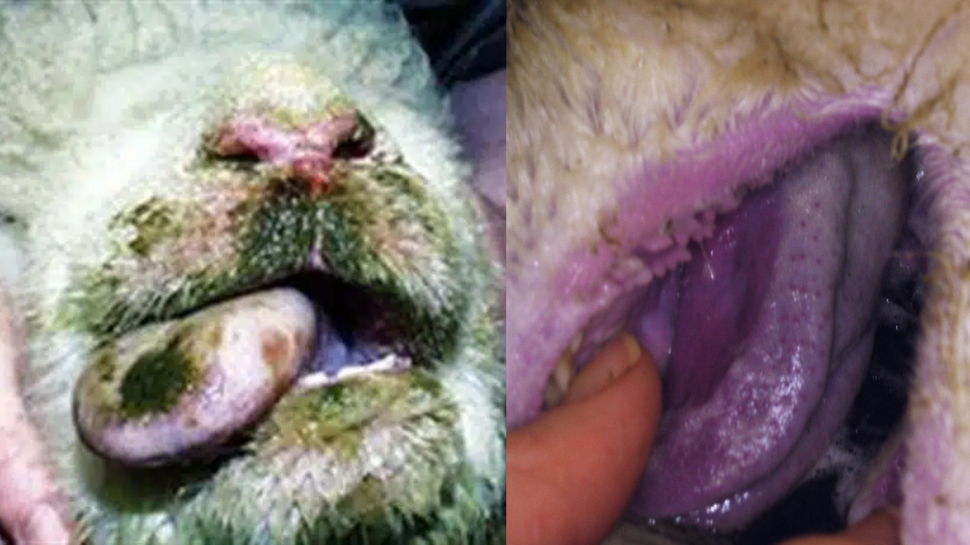
IFA Briefing Note on BTV 3 (Bluetongue) Confirmation on Farm in Co Wexford
Update 2 – Issued 27th January 2026 at 2pm.
Current situation
- Further testing of the farm in Co Wexford has confirmed a second animal with BTV-3 leaving two confirmed animals on one holding.
- Forward tracing of the small number of animals that have left the farm is ongoing
- Tracing and further surveillance is taking place in the area surrounding the farm
- It is reasonable to expect further disclosures of BTV-3 positive animals in the vicinity of this farm due to the most likely source of infection been by midges blown across the Irish sea in the Autumn.
- The farm itself and a small number locally have restricted movements.
- Spread of the disease is prevented at this time due to the lack of vector activity and low temperatures
- All other farms in the country continue to trade as normal
Trade
- All marts and factories continue to operate as normal.
- Farmers should remain extremely vigilant and report any concerns to their PVP and/or local Department of Agriculture office and not move any animals if there is suspicion of the disease on the holding
- The majority of milk and meat export markets are not affected.
- DAFM are amending the health certificates for those that still have a BTV requirement
- Confirmation of BTV3 in the country does have some implications for the Live export trade depending on the country of destination
- EU countries have arrangements in place for BTV-3 and will continue to accept live animals from Ireland
- The Netherlands, Spain, Belgium, Croatia, Czech Republic, France, Germany, Hungry and Luxembourg have no additional requirements for live trade.
- Italy and Portugal have no specific requirements for BTV if the same serotype is present in the region of destination.
- Other countries require additional measures including vaccination, insecticide treatment PCR testing etc.
- Specific details for each EU country can be found at https://food.ec.europa.eu/animals/animal-diseases/surveillance-eradication-programmes-and-disease-free-status/bluetongue_en
- Currently only moves for direct slaughter are allowed to NI.
- DAFM are engaging with DAERA in NI to resolve the issue
- Bilateral engagement with all other third country markets to amend health certificates is continuing.
Vaccination
- Vaccines are approved for use in the country.
- There are currently stocks of one of the vaccines in the country with the other two vaccines due in the coming weeks and months
- Farmers should talk to their PVP on their individual requirements for vaccination.
- If the decision to vaccinate is made the PVP must apply to DAFM for a license for the farm.
- High vector season is from May to October, vaccinations should be timed to ensure onset of immunity prior to the high vector period.
- Vaccinations can be administrated by farmers and can be given to selected animals within the herd, i.e. you are not required to vaccinate the entire herd if you do not wish to.
- Recording of vaccinations is similar to any other vaccination for the farm, it can be based on an identifiable group, e.g. all the cows
- The PVP prescription for the product can be generated identifying the group animals, in these circumstances individual IDs are not required
If you require any further information email Donal Callaghan at [email protected]
Issued by IFA Animal Health Committee
David Hall – IFA Animal Health Chair
Tomas Bourke – Senior Policy Executive
Donal Callaghan – Policy Executive