IFA Highlight Water Quality Actions by Farmers and Importance of Retaining Higher Nitrogen Limit
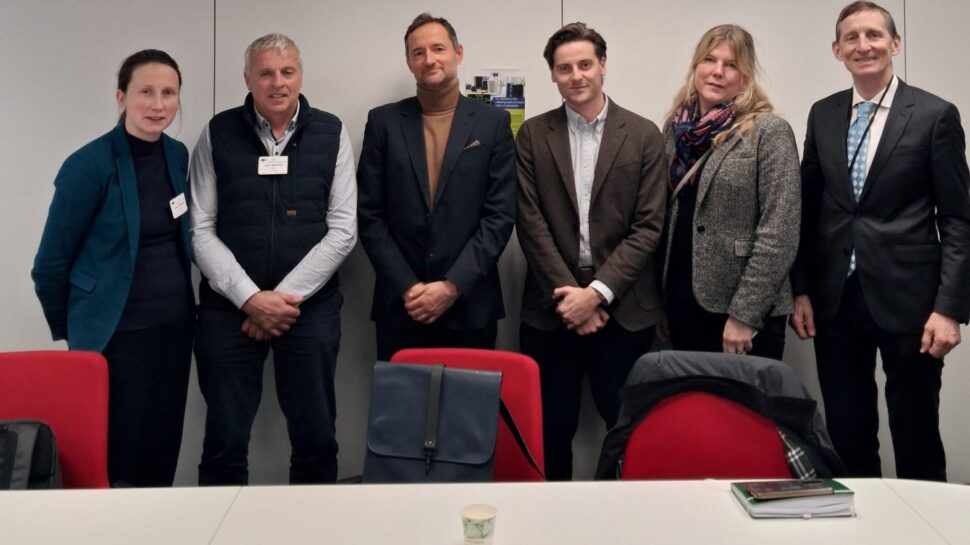
An IFA delegation led by Environment & Rural Affairs Chair John Murphy met with Ion Codescu, Director of Biodiversity, and senior officials from the Nitrates Unit in the European Commission’s Directorate-General for Environment (DG ENVI) in Brussels earlier this week to outline the actions farmers are taking to improve water quality.
“It was a constructive meeting; an opportunity to set out what farmers are doing to improve nutrient management, and to reinforce the importance of retaining Ireland’s higher nitrogen allowance for the viability of our grass-based farming system,” he said.
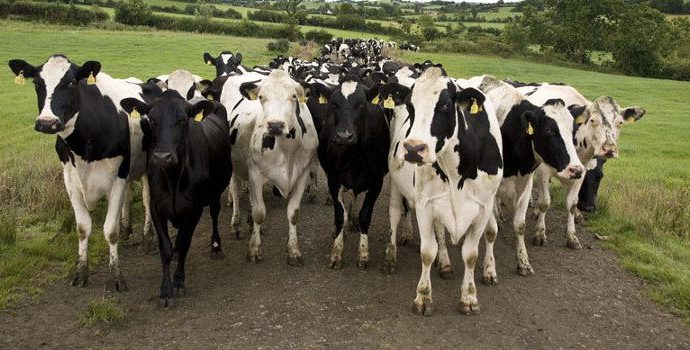
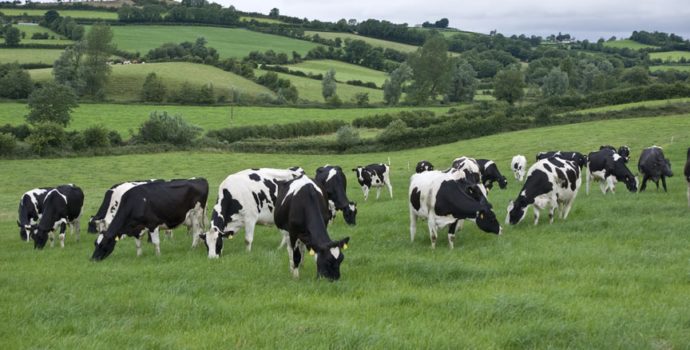
Mr. Murphy highlighted Ireland’s long growing season and high proportion of permanent grassland, which support the case for higher nitrogen limits. He warned that losing the higher allowance could accelerate a shift towards more intensive indoor livestock systems, with serious consequences for farm profitability, particularly on smaller family farms.
He said farmers have made considerable changes under the last two Nitrates Action Programmes (NAP), which introduced more than 80 additional measures. These are complemented by voluntary targeted actions through programmes such as the Farming for Water EIP and the Better Farming for Water campaign, including action plans in the eight priority catchments identified by the EPA as having elevated nitrogen concentrations and requiring targeted action to improve water quality.
“Farmers have made significant changes to how they manage nutrients, with considerable investment, improved nutrient management and nitrogen use efficiency, and reduced stocking rates on many farms operating under the higher nitrogen allowance. Given the scale of this effort, there is significant disappointment and frustration that this is not yet being reflected in water quality improvements. We questioned whether all the factors influencing water quality are being adequately captured,” Mr. Murphy said.
The Commission outlined that the current derogation extension requires Ireland to undertake environmental assessments under the Water Framework and Habitats Directives. These will determine whether continuing the derogation in individual catchments or sub-catchments would have a significant effect on water quality or Natura 2000 conservation objectives.
“The Commission was clear that the continuation of the higher nitrogen allowance will depend on the outcome of these assessments. Targeted mitigation measures may be considered to reduce potential impacts and support its continuation. The uncertainty surrounding this process is a major concern for farmers, particularly those in catchments of concern,” he said.
The Commission also highlighted the need to improve compliance with the NAP, a point acknowledged by IFA. However, IFA stressed that no farmer wants to be non-compliant and that many of the issues identified were minor. Now that farmers have greater visibility of these issues, IFA is confident they will be addressed.
“Farmers need regulatory certainty and a proportionate, evidence-based approach that recognises the changes already being made. There must also be greater flexibility at Member State level in nutrient management, particularly in the use of organic and chemical fertilisers, to support farm viability and improve economic and climate resilience,” he said.
He concluded that retaining the ability to farm at a higher nitrogen limit, alongside targeted measures to improve water quality, is essential to protecting Ireland’s grass-based farming system and farm profitability.