Potato Council Report July 2026
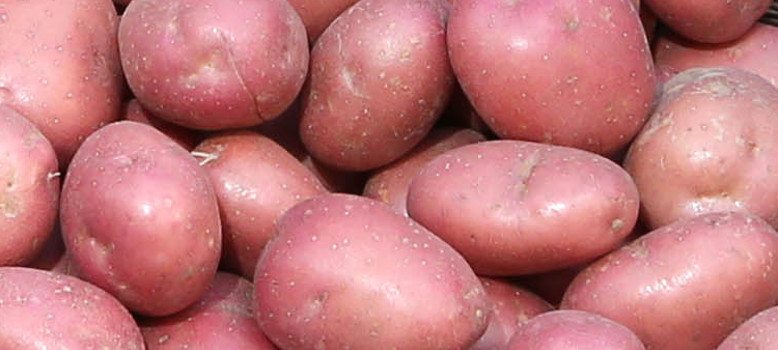
Retail demand for potatoes has softened during July as the prolonged spell of hot weather has reduced household consumption, with consumers opting for lighter meals and salads. While demand for new season Queens and salad potatoes has been encouraging, overall retail movement has been slower than normal. Demand for packing-quality Roosters and white varieties has remained relatively steady.
As the storage season comes to an end, quality issues continue to emerge in remaining stocks, including silver scurf and scab. Consequently, greater volumes are being diverted into the peeling sector, further increasing oversupply and placing downward pressure on returns. Limited alternative outlets mean that prices remain difficult to sustain.
The current hot and dry weather is also placing significant agronomic pressure on the 2026 crop. Soil moisture deficits are estimated to range from approximately 40 mm in the south-west to over 60 mm across the Midlands. With daytime temperatures consistently reaching 25–27°C, many crops are experiencing heat stress, and tuber bulking has slowed significantly. Yield potential in unirrigated crops has already been reduced. Although some growers are applying foliar nutrients, trace elements and biostimulants to alleviate crop stress, moisture remains the limiting factor. These products may help maintain canopy greenness but are unlikely to recover yield potential without meaningful rainfall.
Looking ahead, growers continue to assess cropping plans for 2027 against a backdrop of rising production costs, uncertainty around plant protection products, seed availability, labour and storage costs and increasing compliance requirements.
Across Europe, physical markets within the processing sector remain subdued, with surplus stocks outside contract requirements continuing to weigh on prices. However, there are growing indications that production area is contracting significantly. The NEPG estimates that potato area across the four main producing countries—France, Belgium, Germany, and the Netherlands—is down by around 11%, while World Potato Markets estimates the total EU potato area has fallen by approximately 10%, potentially the second lowest on record.
While current market conditions remain difficult, these reductions in planted area, combined with the impact of heat and moisture stress on crop development across Europe, may provide a more balanced supply situation and improved market prospects later in the season.
Food Regulator
In December of last year, additional statutory powers were granted to the Office of the Agri-Food Regulator, strengthening its ability to oversee and enforce fairness within the food supply chain. These enhanced powers allow the Office to formally require information from processors and retailers, improving transparency and enabling more effective investigation of unfair trading practices. IFA has long advocated for these measures and welcomes their introduction as a necessary step in addressing imbalances in bargaining power between primary producers and larger supply-chain actors. It is essential that these powers are now fully utilised and adequately resourced to deliver meaningful outcomes for growers and to ensure that increased production and compliance costs are fairly reflected in returns to farmers.
Activity since last Council
- IFA continues to engage with MEPs and COPA-COGECA on key issues impacting the potato sector, with a particular focus on the ongoing challenges on securing reliable access to high-quality seed, Plant Protection products and the negative implications that regulatory barriers continue to have on Irish potato production.
- IFA met with Bord Bia on activities to promote potatoes this season.
- The Potato Development Group met in Oakpark to discuss challenges in the sector and plan for the 2026 potato conference which will be held in November.
- IFA met with PCRD on the emergency use authorisation for Diquat. An official application was submitted to DAFM for the 2026 season.
- IFA recently arranged a meeting with a laboratory specialising in isotope testing of potato and vegetable products, in response to concerns arising from recent instances of mislabelled produce identified in Irish retail outlets. The meeting explored how isotope analysis can be used to verify product origin and support traceability within the supply chain. This engagement forms part of IFA’s ongoing work to address mislabelling issues and to strengthen enforcement and transparency across the retail supply chain.
- IFA continues to attend monthly meetings of the HIF sub-committee.
- IFA continued to liaise with all retails and packers on how the season is unfolding, the weather conditions, staffing costs and all other issues.
- IFA continues to lobby for all potato farmers to be excluded from commercial rates as per the Valuation Act. In recent years there has been an increase in inspections on potato, tillage and horticulture premises by Local Government on behalf of the Valuation Office. Inspectors are deeming storage sheds, packing sheds, and washing bays ratable. These buildings are not ratable by virtue of constituting “Farm buildings” as defined in the Valuation Act 2001. If a precedent is set, then almost all agriculture buildings could be viewed as ratable.
Upcoming Activity/Events
- IFA will continue to monitor the origin of produce with the use of Isotope testing.
- IFA continues to engage with retailers on crop availability and setting up meetings with retailer buyers and packers at this critical period.
IFA will continue to contact growers to ensure they are aware of the costs of production and engage in both stocks/acreage surveys.